Introduction
Your roof is one of the most important parts of your home, yet it is often overlooked until a problem appears. Small issues such as missing shingles, minor leaks, or hidden storm damage can quickly turn into costly repairs if they go unnoticed. That is why professional Roof Inspection Services play a vital role in protecting your property and maintaining its value.
Whether you are buying a new home, filing an insurance claim, recovering from a storm, or simply performing routine maintenance, a thorough roof inspection can identify problems before they become major expenses. Understanding what inspectors look for, how much inspections cost, and when to schedule them can help homeowners make informed decisions.
This guide covers everything you need to know about roof inspections, including types of inspections, costs, checklists, benefits, and how to choose a qualified roofing professional.
What Are Roof Inspection Services?
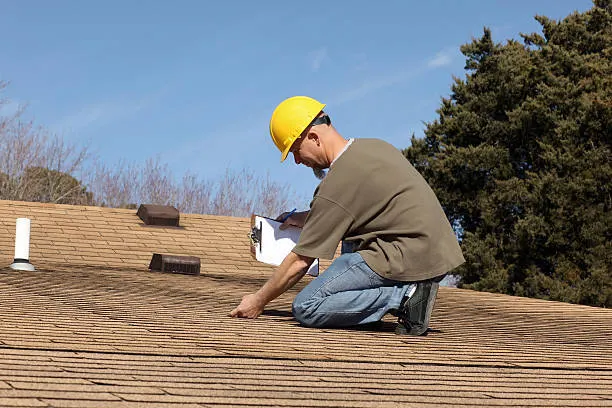
Roof Inspection Services involve a detailed evaluation of a roof’s condition to identify damage, wear, safety concerns, and potential repair needs.
During an inspection, roofing professionals assess the roof’s structure, materials, flashing, drainage systems, ventilation, and overall performance. The goal is to uncover current issues and detect early warning signs that could lead to future problems.
A professional inspection provides homeowners with valuable information about the health and lifespan of their roof.
Why Roof Inspections Matter
Many roofing problems develop gradually and remain hidden until significant damage occurs. Routine inspections help detect these issues early.
Benefits of Roof Inspections
- Prevent expensive repairs
- Extend roof lifespan
- Improve home safety
- Identify hidden leaks
- Support insurance claims
- Maintain property value
- Provide peace of mind
Regular inspections are often one of the most cost-effective investments homeowners can make.
Residential Roof Inspection
A Residential Roof Inspection focuses on evaluating the roofing system of a single-family home, townhouse, or residential property.
Inspectors examine:
- Shingles or roofing materials
- Flashing around vents and chimneys
- Gutters and drainage systems
- Roof decking condition
- Ventilation systems
- Signs of moisture intrusion
Homeowners often schedule inspections annually or after severe weather events.
Commercial Roof Inspection
Commercial properties have different roofing systems and maintenance requirements.
A Commercial Roof Inspection typically includes:
- Flat roof evaluation
- Membrane condition assessment
- Drainage system inspection
- HVAC penetration checks
- Structural observations
- Water pooling analysis
Routine inspections help business owners avoid operational disruptions and expensive repairs.
What Does a Professional Roof Inspection Include?
A Professional Roof Inspection involves much more than a quick visual review.
Exterior Inspection
Inspectors evaluate:
- Missing shingles
- Curling materials
- Storm damage
- Flashing failures
- Drainage issues
- Structural concerns
Interior Inspection
Inspectors also examine:
- Attic ventilation
- Water stains
- Mold growth
- Moisture intrusion
- Insulation conditions
This comprehensive approach provides a complete understanding of roof performance.
Roof Inspection Checklist
A thorough Roof Inspection Checklist often includes the following items.
Roofing Materials
- Missing shingles
- Cracked shingles
- Loose roofing materials
- Granule loss
Flashing Components
- Chimney flashing
- Skylight flashing
- Vent flashing
- Wall transitions
Structural Elements
- Roof decking
- Sagging areas
- Structural movement
- Support systems
Drainage Systems
- Gutters
- Downspouts
- Drainage channels
- Water flow patterns
Interior Areas
- Attic condition
- Moisture damage
- Ventilation effectiveness
- Mold indicators
Roof Damage Inspection
A Roof Damage Inspection is designed to identify damage caused by aging, weather, impact, or environmental factors.
Common findings include:
- Wind damage
- Hail damage
- Water intrusion
- Structural deterioration
- Flashing failures
- Tree impact damage
Quick identification of damage allows homeowners to address issues before they worsen.
Roof Inspection After Storm Events
Severe weather can cause damage that may not be immediately visible from the ground.
Signs You Need a Roof Inspection After Storm
- Missing shingles
- Fallen branches
- Water stains indoors
- Visible roof debris
- Damaged gutters
- Granule accumulation
After major storms, scheduling an inspection helps determine whether repairs are necessary and supports potential insurance claims.
Roof Inspection for Leaks
Leaks are among the most common reasons homeowners request inspections.
A Roof Inspection for Leaks focuses on locating the source of moisture intrusion and identifying contributing factors.
Inspectors examine:
- Flashing connections
- Roof penetrations
- Valley areas
- Chimneys
- Skylights
- Roofing material failures
Finding the true source of a leak is critical because water often travels before becoming visible indoors.
Roof Condition Inspection
A Roof Condition Inspection evaluates the overall health and remaining lifespan of a roofing system.
This type of inspection helps homeowners understand:
- Current roof condition
- Maintenance needs
- Repair priorities
- Remaining service life
- Future replacement planning
It is especially valuable for older roofs approaching the end of their expected lifespan.
Roof Inspection Cost Explained
One of the most common questions homeowners ask involves pricing.
Factors Affecting Roof Inspection Cost
- Roof size
- Roof complexity
- Accessibility
- Property type
- Inspection scope
- Geographic location
Although costs vary, inspections are typically far less expensive than emergency roof repairs or premature replacement.
Affordable Roof Inspection Options
Many roofing companies offer Affordable Roof Inspection services as part of maintenance programs or seasonal promotions.
When comparing providers, homeowners should focus on value rather than simply choosing the lowest price.
A quality inspection should include:
- Detailed evaluation
- Written findings
- Photographic documentation
- Professional recommendations
Annual Roof Inspection Benefits
An Annual Roof Inspection is one of the best ways to maintain a healthy roofing system.
Why Annual Inspections Matter
- Detect small issues early
- Reduce long-term repair costs
- Improve roof longevity
- Protect warranties
- Enhance home value
Many roofing professionals recommend scheduling inspections once each year and after severe storms.
Roof Inspection for Insurance Claims
Insurance companies often require documentation following weather-related damage.
A Roof Inspection for Insurance provides:
- Damage assessment
- Supporting photographs
- Professional observations
- Detailed reports
These findings can help homeowners navigate the claims process more effectively.
Pre-Purchase Roof Inspection for Home Buyers
Purchasing a home is a major investment, and roofing problems can create unexpected expenses.
A Pre-Purchase Roof Inspection helps buyers understand:
- Current roof condition
- Potential repair costs
- Remaining lifespan
- Existing damage
This information can influence negotiations and prevent costly surprises after closing.
Roof Inspection and Repair
Inspections and repairs often work together.
An inspection identifies issues, while repairs address them before further deterioration occurs.
Common repair recommendations include:
- Replacing damaged shingles
- Repairing flashing
- Sealing leaks
- Correcting ventilation issues
- Improving drainage systems
Addressing repairs promptly can significantly extend roof life.
Choosing the Right Roof Inspection Company
Selecting a reputable Roof Inspection Company is essential.
Look for These Qualities
Certified Roof Inspector
Choose professionals with proper training and certifications.
Experience
Look for inspectors with a strong track record and roofing expertise.
Detailed Reporting
A quality inspection should include photographs, findings, and recommendations.
Positive Reviews
Customer feedback often reflects reliability and professionalism.
Transparency
Choose companies that clearly explain their inspection process and pricing.
Real-World Example
A homeowner noticed a small water stain on a bedroom ceiling after a heavy rainstorm. Although the leak appeared minor, a professional inspection revealed damaged flashing around a vent pipe and several missing shingles caused by recent wind events.
Because the issue was identified early, repairs were completed quickly and affordably. Had the homeowner delayed the inspection, moisture could have spread into the attic insulation and roof decking, leading to much more expensive repairs.
This example demonstrates how regular inspections help prevent major roofing problems.
Conclusion
Professional Roof Inspection Services are one of the smartest investments homeowners can make to protect their property, prevent costly repairs, and extend roof lifespan. Whether you need a Residential Roof Inspection, Roof Inspection for Insurance, Roof Inspection After Storm damage, or a Pre-Purchase Roof Inspection, a thorough evaluation provides valuable insight into your roof’s condition.
By scheduling regular inspections, addressing minor issues early, and working with qualified professionals, homeowners can avoid unexpected expenses and maintain confidence in their roofing system for years to come. If you are ready to protect your home and gain a clear understanding of your roof’s health, consider consulting trusted professionals such as Casa Bella Exteriors for expert guidance and reliable service.